


Why Fall Risks in Elderly Deserve More Attention
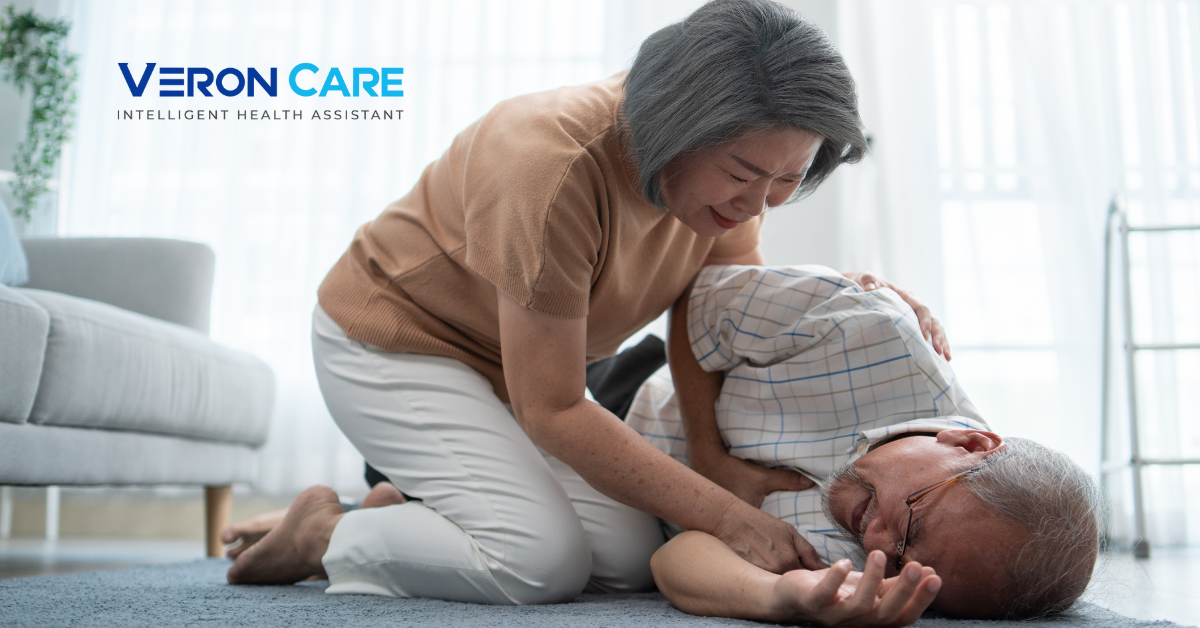
Every year, many older adults face serious consequences from fall risks in elderly populations. The prevalence of fall risks in elderly individuals is high — more than one in four older adults experience at least one fall annually. These incidents lead to fractures, mobility loss, hospitalization, and even death.
Unaddressed fall risks in elderly adults also result in significant healthcare costs, reduced independence, and lower quality of life. Raising awareness of fall risks in elderly populations is essential for protecting seniors and supporting caregivers in implementing early prevention measures.
Common Causes of Falls in Older Adults
A leading cause of fall risks in elderly adults is the natural decline in muscle strength, balance, and coordination. Sarcopenia, reduced motor control, and sensory impairments all contribute to instability, making assessing fall risk in elderly individuals a crucial first step.
Medications that increase fall risk
Polypharmacy, the use of multiple medications, is common among seniors. Some drugs cause dizziness, blurred vision, or slowed reflexes, all of which elevate fall risks in elderly patients. Regular medication reviews are vital to minimizing these effects.
Environmental fall hazards at home
Trip hazards such as uneven flooring, loose rugs, poor lighting, or clutter significantly raise fall risks in elderly homes. Addressing these environmental factors through a proper home safety assessment can prevent serious incidents.
Medical conditions and chronic diseases
Trip hazards such as uneven flooring, loose rugs, poor lighting, or clutter significantly raise fall risks in elderly homes. Addressing these environmental factors through a proper home safety assessment can prevent serious incidents.
Assessing Fall Risk in Elderly Individuals
Identifying high-risk individuals through systematic evaluation is essential to prevent injuries. Assessing fall risk in elderly populations involves using evidence-based checklists and risk assessment tools for falls in the elderly.
These tools analyze factors such as:
- Balance and gait stability
- Medication side effects
- Muscle weakness
- Vision and cognitive function
- Home environment safety
Common risk assessment tools for falls in the elderly include the Timed Up and Go (TUG) Test, Berg Balance Scale, and Fall Risk Screening Assessment. Using these methods helps caregivers take preventive action before accidents occur.
Fall Prevention at Home
How to make your home fall-proof
Reducing fall risks in elderly adults starts with a safe home environment. Small improvements — like installing grab bars, ensuring proper lighting, and removing clutter — dramatically decrease potential hazards.
Fall risk assessment checklist for families
Families and caregivers can use an at-home checklist to support assessing fall risk in elderly adults. Reviewing stability, medication use, and daily routines helps identify risks early. Many seniors underestimate their own vulnerability, which makes structured risk assessment tools even more valuable.
Balance exercises for seniors
Physical activity is one of the most effective ways to lower fall risks in elderly adults. Exercises such as walking, tai chi, or simple chair-based routines enhance coordination and confidence. Encouraging consistency ensures long-term prevention results.
Integrating technology for added oversight
Smart health monitoring systems play a vital role in assessing fall risk in elderly individuals in real-time. Tools like Veron Care’s intelligent health assistant can track movement patterns, detect falls instantly, and alert caregivers, ensuring rapid response when accidents occur.
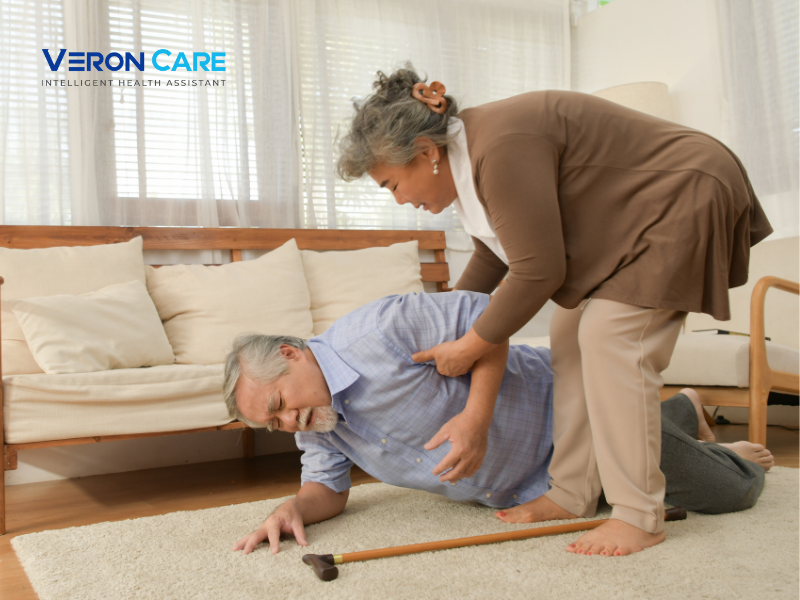
A caregiver helps an elderly man after a fall, highlighting the importance of fast response and reliable fall detection.
Practical Balance Exercises for Seniors
Simple daily routines
To reduce fall risks in elderly, seniors can practice heel-to-toe walks, sit-to-stand transitions, and single-leg balances. These exercises improve lower-body strength and posture.
Weekly routine to maintain strength
A recommended weekly schedule includes three 30-minute sessions of balance-focused training and two sessions of moderate-intensity activity, such as walking or light resistance workouts. This consistency enhances stability and reduces fall risks in elderly populations.
Monitoring progress and adjusting
Tracking progress helps families and healthcare providers identify patterns. Changes in mobility can signal new or worsening fall risks in elderly adults, allowing for timely adjustments to care routines or medical treatment.
Building a Fall-Safe Lifestyle for Older Adults
Creating a fall-safe lifestyle goes beyond physical training or home modifications. Proper hydration, nutrition, and social engagement all influence balance and energy levels. Neglecting these aspects can increase fall risks in elderly adults.
Smart systems, like AI-based monitoring platforms, complement lifestyle improvements by offering real-time alerts and data-driven insights. Combined with routine risk assessment tools for falls in the elderly, these technologies provide a comprehensive safety net for seniors living independently.
Conclusion
Fall risks in elderly populations represent a serious issue requiring attention, prevention, and continuous assessment. Understanding the causes — from physical decline to environmental hazards — enables families, caregivers, and healthcare professionals to build effective prevention strategies.
Using risk assessment tools for falls in the elderly, applying home modifications, and integrating smart technology like Veron Care can help manage these risks proactively. By embracing a holistic approach to assessing fall risk in elderly adults, seniors can maintain independence, feel safer, and families can gain peace of mind.
At Veron Care, we empower families and caregivers with intelligent monitoring solutions that detect falls and emergencies in real time. Our AI-driven system helps reduce fall risks in elderly homes, ensuring seniors receive timely support while maintaining dignity and comfort.