


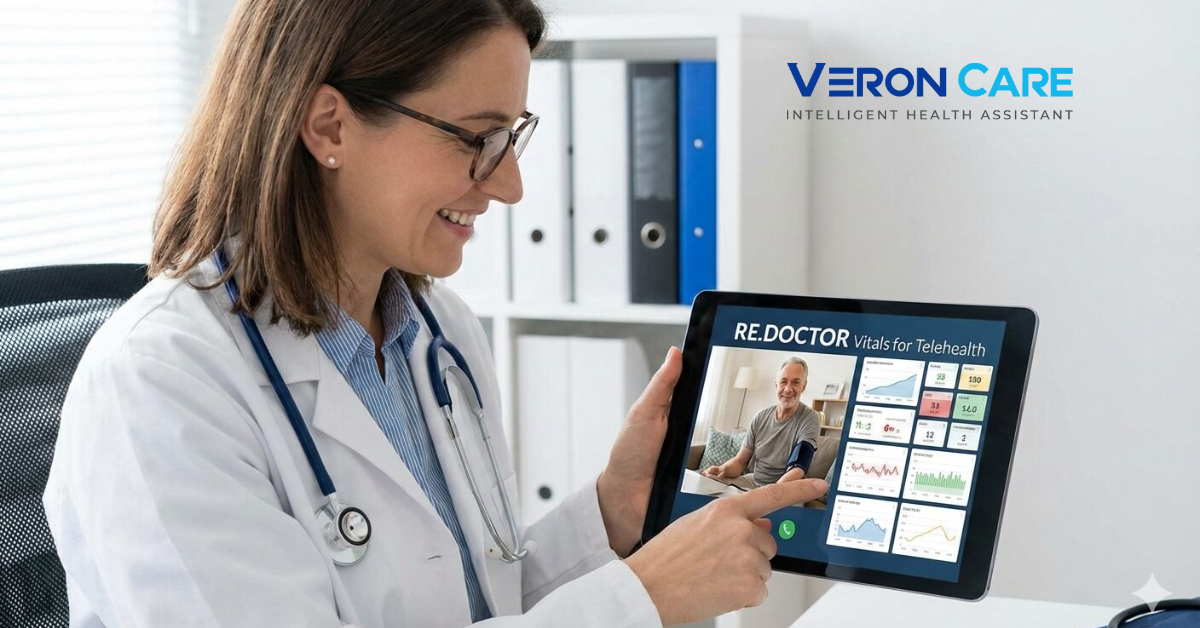
Remote patient monitoring is no longer an optional add-on in healthcare. It is becoming the backbone of how modern care is delivered, especially for aging populations and patients managing chronic conditions. As hospitals struggle with overcrowding and staffing shortages, home RPM systems powered by a digital care platform are redefining how care teams monitor patients beyond the clinic.
Traditional care models rely on short appointments and sporadic check-ins. In contrast, remote patient monitoring creates a continuous connection between the home and the healthcare system. This shift enables earlier intervention, better outcomes, and a more sustainable model of care.
Why Remote Patient Monitoring Is Becoming Essential
The Shift From Hospital-Centered to Home RPM Systems
Healthcare is moving from reactive treatment to proactive management. Home RPM systems allow providers to follow patient status in real environments rather than relying on limited snapshots from clinic visits. This approach captures trends in mobility, activity, rest patterns, and breathing that are invisible during office appointments.
Synonyms used in the field include remote health tracking, virtual patient care, and connected care solutions. All serve the same purpose: extending clinical oversight into the home.
How Telehealth Monitoring Expands Access to Care
Telehealth monitoring removes geographical and physical barriers. Patients in rural areas or with mobility challenges can receive the same quality of care as those near major hospitals. Telemedicine supervision combined with remote patient monitoring tools allows clinicians to adjust treatment plans in near real time.
How Home RPM Systems Work Together With Digital Care Platforms
Integrating Remote Care Tools for Daily Health Oversight
A digital care platform acts as the control center that unifies all remote care tools. It aggregates movement data, sleep metrics, respiration patterns, and activity levels into a single dashboard. Instead of navigating multiple disconnected systems, care teams see a comprehensive health view at a glance.
This integration enables continuous health oversight rather than fragmented reporting.
Real-Time Patient Alerts and Continuous Health Intelligence
Real-time patient alerts are the engine of proactive care. When abnormal behavior is detected such as prolonged inactivity or irregular night patterns the system triggers immediate notifications. These alerts allow caregivers to respond before a minor issue escalates into a hospitalization.
The Power of Telehealth Monitoring in Everyday Care
Connecting Seniors, Families, and Care Teams Seamlessly
Telehealth monitoring connects patients, families, and providers into a single care loop. Families gain peace of mind through remote care tools that confirm daily safety. Providers gain actionable insight without increasing workload.
Remote patient monitoring also supports collaborative care models where nurses, doctors, and home caregivers share responsibility through a digital care platform.
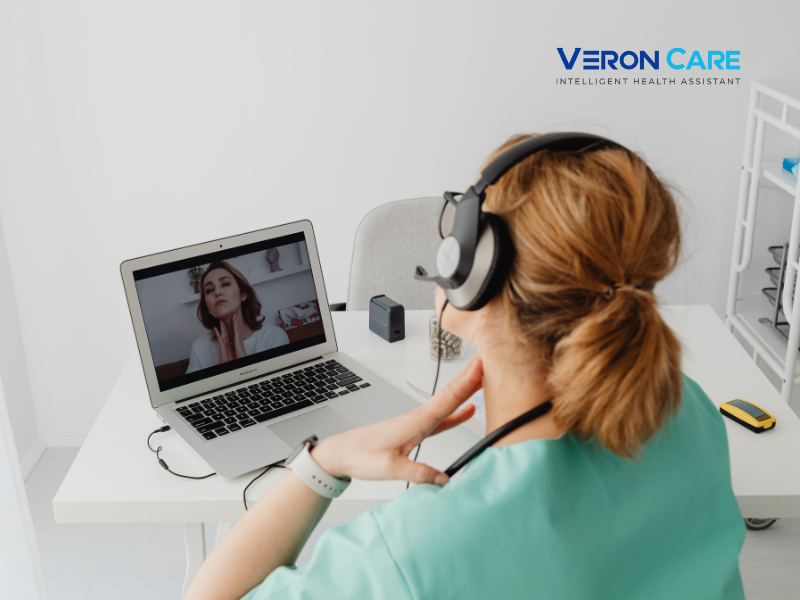
A nurse delivers online medical guidance using secure telehealth technology.
Using Remote Patient Monitoring to Reduce Readmissions
Hospital readmissions are one of the most expensive failures in healthcare. Home RPM systems reduce this risk by catching early warning signs such as declining mobility, abnormal breathing, or reduced daily activity. By combining telehealth monitoring with predictive analytics, care teams intervene sooner and keep patients stable at home.
Real-Time Patient Alerts That Enable Proactive Care
Turning Data Streams Into Early Intervention
The value of real-time patient alerts lies in turning continuous data streams into meaningful insight. Instead of overwhelming staff with raw metrics, advanced systems interpret trends and highlight what truly matters.
This approach is sometimes called smart monitoring or predictive patient care and represents the future of telehealth monitoring.
Preventing Health Decline With Smart Remote Care Tools
Remote care tools do more than monitor vital signs. They reveal behavioral shifts that often precede illness or injury. These might include reduced movement between rooms, fragmented sleep cycles, or extended bathroom visits.
Detecting these changes early enables small interventions that prevent major health decline.
Building a Digital Care Platform for the Home
Data Security, Privacy, and Interoperability
A successful digital care platform must prioritize security and interoperability. Patient data must integrate seamlessly with electronic medical records while complying with healthcare privacy regulations such as HIPAA.
Why Camera-Free Monitoring Is the Next Evolution
Privacy concerns have slowed the adoption of camera-based systems. Camera-free monitoring using radar or contactless sensors offers a new model that protects dignity while delivering full telehealth monitoring capability.
This privacy-first approach improves patient compliance and long-term system adoption.
How Veron Care Is Transforming Home-Based Remote Patient Monitoring
Radar-Driven Telehealth Monitoring Without Wearables
Veron Care combines radar sensing with AI to deliver remote patient monitoring without cameras or wearable devices. The system captures presence, movement, posture change, and respiration patterns continuously, enabling home RPM systems that are effortless for seniors to use.
Scaling Proactive Care With Real-Time Patient Alerts
Veron Care’s digital care platform turns passive monitoring into real-time patient alerts that empower caregivers. This predictive model ensures that telehealth monitoring is not limited to crisis response but supports everyday prevention.
By integrating remote care tools into one seamless platform, Veron Care delivers scalable, proactive healthcare for families, hospitals, and long-term care providers.
Conclusion
Remote patient monitoring is redefining what healthcare looks like beyond hospital walls. Home RPM systems supported by a digital care platform, telehealth monitoring, real-time patient alerts, and intelligent remote care tools create a new model that is proactive, predictive, and privacy-first.
Discover how Veron Care is building the future of remote patient monitoring with radar-based, camera-free technology that keeps patients safe at home while keeping care teams connected.