


Stroke prevention in elderly adults is one of the most important steps toward maintaining independence, quality of life, and long-term health. With millions of older adults at risk each year, learning how to prevent stroke naturally can save lives, and empower families to take control of wellness at home. This article explores early warning signs, lifestyle changes, and natural stroke prevention methods that truly make a difference, along with smart technologies like Veron Care that help seniors stay safe, connected, and healthy.
Understanding Stroke in Older Adults
What Is a Stroke?
A stroke occurs when blood flow to a part of the brain is interrupted either by a blockage (ischemic stroke) or a bleed (hemorrhagic stroke). When blood flow stops, brain cells begin to die within minutes, which can cause long-term damage or disability. For older adults, stroke prevention in the elderly is crucial because aging naturally weakens blood vessels and slows recovery time. Early detection and prevention dramatically reduce complications.
Why Seniors Are More at Risk
Older adults face higher stroke risk due to health factors such as high blood pressure, diabetes, and heart disease. Age-related changes in circulation, combined with lower physical activity and poor diet, further increase the threat. The good news? Many of these are modifiable risks meaning stroke prevention in elderly people is both possible and effective with consistent care.
Early Signs of Stroke You Shouldn’t Ignore
Common Warning Symptoms
Common early warning signs include:
- Sudden numbness or weakness (especially on one side of the body)
- Difficulty speaking or understanding speech
- Vision changes or dizziness
- Sudden loss of balance or coordination
- Severe headache with no known cause
The FAST Test
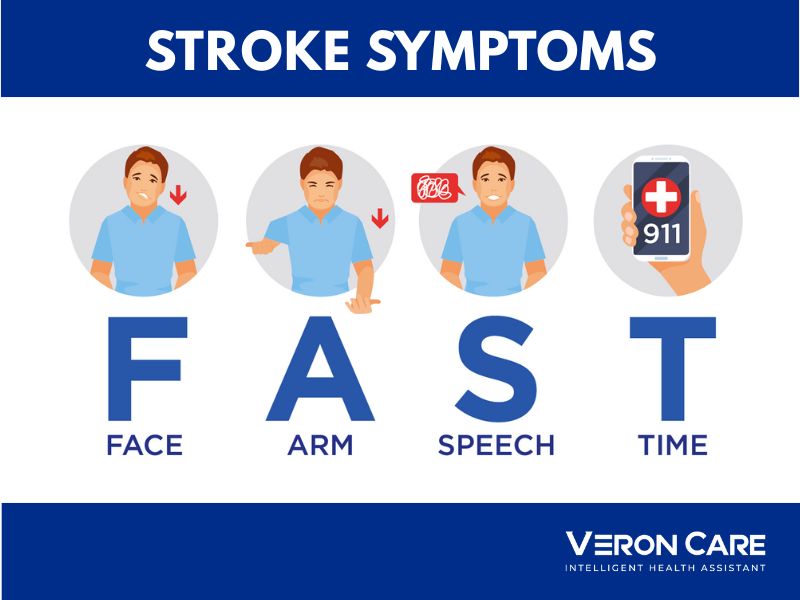
Remember FAST — an easy way to spot stroke symptoms early:
- Face: Ask them to smile. Is one side drooping?
- Arms: Raise both arms. Does one drift down?
- Speech: Repeat a phrase. Is it slurred or strange?
- Time: If any signs appear, call emergency services immediately.
Prompt action is the most powerful natural stroke prevention method because early treatment reduces permanent damage.
Difference Between a Stroke and a Mini Stroke (TIA)
What Is a Mini Stroke?
A mini stroke, also called a transient ischemic attack (TIA), occurs when a temporary blockage of blood flow to the brain resolves by itself, typically within minutes to hours. Symptoms may mimic a full stroke. Although it resolves quickly, a mini stroke signals major risk.
Why a Mini Stroke Is a Serious Warning Sign
Having experienced a mini stroke means the risk of a full stroke is significantly higher. It offers a valuable warning window. According to research, a previous event such as TIA or minor stroke is a major predictor of another or more serious event. Individuals and caregivers must treat mini strokes as urgent triggers for prevention, not as minor incidents.
Lifestyle Changes to Prevent Stroke
Physical Activity and Mobility
Simple daily movement is essential for stroke prevention in elderly adults. Activities like walking, tai chi, yoga, or light stretching can strengthen circulation, balance, and muscle coordination which helps prevent both strokes and falls.
Diet and Nutrition
A balanced diet supports natural stroke prevention methods by reducing inflammation and improving blood flow.
Choose:
- Leafy greens, berries, and nuts
- Whole grains, legumes, and lean proteins
- Fish rich in omega-3 fatty acids
Avoid processed foods, high sodium, and excess sugar. Following the MIND diet or Mediterranean diet can significantly lower stroke risk.
Diet Tips for Stroke Prevention
Foods That Support Brain and Heart Health
Incorporate leafy greens, berries, nuts, fatty fish (rich in omega-3 fatty acids), legumes, and whole grains. These foods offer nutrients that support vascular health, reduce inflammation and protect brain function. A diet focused on plant-based foods helps older adults manage weight, cholesterol and blood pressure.
What to Avoid
Limit foods that increase stroke risk: high-sodium processed meals, foods high in saturated and trans fats, excessive red meat, sugary beverages and heavy alcohol use. Cigarette smoking and heavy drinking are among the strongest modifiable risk factors.
Managing Blood Pressure and Other Risk Factors
Monitoring Blood Pressure at Home
High blood pressure (hypertension) is the most significant modifiable risk factor for stroke in older adults. Regular home monitoring, proper medication adherence and lifestyle support are essential. Older adults should work closely with their healthcare provider to determine target blood pressure and then maintain it. Research underscores that modifiable risk factors in healthy elderly can help delay or avoid stroke.
Managing Other Conditions
Other conditions that raise stroke risk include diabetes, high cholesterol, atrial fibrillation, obesity and sleep apnea. Monitoring and managing these issues through medications, lifestyle changes and regular check-ups is essential in a comprehensive stroke prevention plan.
Stroke Recovery Exercises at Home
Gentle Movement and Rehabilitation Tips
For seniors recovering from a stroke or mini-stroke, gentle exercise and physical therapy are key. Gradually rebuilding strength, flexibility, and coordination helps restore confidence and independence. Rehabilitation also supports how to prevent stroke naturally by improving circulation and reducing recurrence risk.
Stroke Emergency Response Guide
What to Do When Stroke Symptoms Appear
Act fast:
- Call emergency services immediately.
- Note the time symptoms began.
- Keep the person calm and still.
- Avoid giving food or water.
Quick action improves survival and recovery outcomes.
Role of Caregivers and Smart Monitoring in Natural Stroke Prevention
Caregivers are essential partners in stroke prevention in elderly care. Observing subtle changes, such as slurred speech or sudden fatigue, can catch early warning signs before they escalate.
Smart home technology like Veron Care is revolutionizing caregiving. Using AI-powered, non-contact radar sensing, Veron Care continuously tracks movement, breathing, and sleep quality — all without cameras or wearables. The system detects falls or inactivity and sends real-time alerts to caregivers via the Veron Care app, helping families respond immediately when something is wrong.
By combining caregiving awareness with technology, Veron Care promotes safety, comfort, and natural stroke prevention methods at home.
Key Takeaway
Stroke prevention in the elderly is not a passive process. It demands proactive detection of early signs, disciplined lifestyle habits, careful management of risk factors and engagement of caregivers and technology. Older adults and their support teams can make meaningful strides in reducing stroke risk and staying safe and healthy at home.