



Sleep monitoring for seniors has become an essential part of modern elder care. As people age, sleep patterns change, health risks increase, and nighttime incidents become more common. Poor sleep quality can affect physical health, cognitive function, emotional well-being, and overall safety. For seniors living independently or aging at home, understanding sleep health and using the right technology for sleep tracking can make a meaningful difference.
This article explores how aging affects sleep quality, common sleep disorders in older adults, practical tips to improve sleep hygiene, and how sleep monitoring for seniors supports safer and healthier aging.
Why Sleep Monitoring for Seniors Matters
Sleep is a foundational pillar of health at any age, but it becomes increasingly critical for older adults. Sleep monitoring for seniors provides continuous insight into sleep patterns, breathing behavior, and nighttime movement—helping families and caregivers detect problems early rather than reacting to emergencies.
Poor sleep health is closely linked to falls, cardiovascular issues, memory decline, and weakened immunity. Without proper sleep health monitoring, many of these risks go unnoticed until they escalate into serious medical events.
How Aging Affects Sleep Quality
Changes in Sleep Cycles and Circadian Rhythm
As people age, the body produces less melatonin, the hormone responsible for regulating sleep cycles. This leads to lighter sleep, more frequent awakenings, and earlier wake-up times. Deep sleep stages become shorter, reducing the restorative benefits of sleep.
These age-related changes explain why sleep monitoring for seniors is important. Tracking sleep duration, restlessness, and nighttime activity helps identify whether changes are normal or signal a health concern.
Increased Sensitivity to Disruptions
Older adults are more sensitive to noise, temperature changes, pain, and medications. Even minor disruptions can fragment sleep, leading to chronic fatigue and reduced daytime function. Over time, poor sleep quality increases the risk of depression, cognitive decline, and reduced mobility.
Signs of Poor Sleep Health in Seniors
Physical and Cognitive Warning Signs
Signs of poor sleep health include excessive daytime sleepiness, morning headaches, irritability, confusion, and balance problems. Seniors may also experience increased forgetfulness or slower reaction times.
Sleep monitoring for seniors helps identify these patterns early by correlating sleep quality with daytime behavior and activity levels.
Behavioral Changes at Night
Frequent nighttime wandering, repeated bathroom visits, or sudden movements during sleep may indicate underlying sleep disorders or neurological changes. These behaviors increase fall risk and require closer monitoring.
What Causes Sleepwalking in Adults
Sleepwalking in adults is often associated with stress, sleep deprivation, medications, or neurological conditions. In seniors, sleepwalking poses significant safety risks due to reduced balance, slower reflexes, and environmental hazards.
Sleep monitoring for seniors can detect unusual nighttime movement and alert caregivers in real time. This is especially valuable for older adults living alone or those with early cognitive impairment.
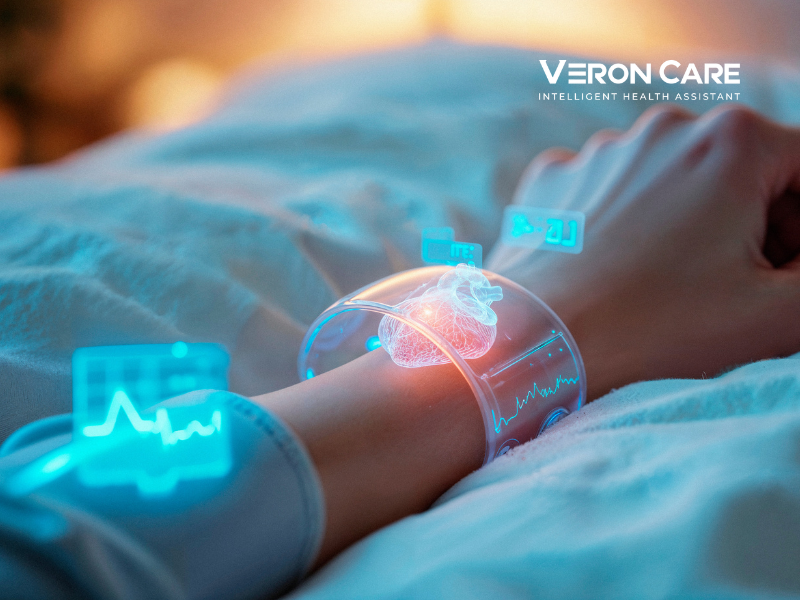
Continuous sleep monitoring helps identify breathing issues and nighttime activity changes in seniors.
How to Detect Sleep Apnea in Older Adults
Common Symptoms of Sleep Apnea
Sleep apnea often goes undiagnosed in seniors. Common signs include loud snoring, pauses in breathing, gasping for air during sleep, morning fatigue, and elevated heart rate at night.
Without sleep monitoring for seniors, these symptoms may remain unnoticed, increasing the risk of heart disease and stroke.
Role of Sleep Monitoring Technology
Modern sleep health monitoring systems can track breathing patterns, movement, and sleep interruptions. These insights help families and healthcare providers identify potential sleep apnea risks and recommend further medical evaluation when needed.
Best Sleep Posture for Older Adults
Sleep posture plays an important role in breathing efficiency, spinal alignment, and circulation. Side sleeping is often recommended for seniors, particularly those with breathing issues or acid reflux.
Sleep monitoring for seniors complements posture recommendations by identifying frequent position changes, restlessness, or breathing irregularities during the night.
Tips to Improve Sleep Hygiene for Seniors
Daily Habits That Support Better Sleep
Consistent sleep schedules, light physical activity, and exposure to natural daylight all support healthier sleep patterns. Reducing caffeine intake and limiting screen time before bed can also improve sleep quality.
Sleep monitoring for seniors helps track whether these lifestyle changes result in better sleep outcomes over time.
Creating a Sleep-Friendly Environment
A calm, clutter-free bedroom with proper lighting and temperature control is essential. Night lights reduce fall risk, while supportive mattresses and pillows improve comfort.
Combining environmental adjustments with sleep monitoring technology creates a comprehensive approach to sleep safety.
Technology for Sleep Tracking and Senior Care
How Sleep Monitoring for Seniors Works
Modern sleep tracking technology uses non-invasive sensors to monitor movement, breathing, and presence without requiring wearables. This is particularly beneficial for seniors who may forget or refuse to wear devices.
Sleep monitoring for seniors provides continuous overnight data without disrupting comfort or independence.
AI and Real-Time Insights
AI-powered systems analyze sleep data to identify abnormal patterns, detect risks, and send alerts when intervention is needed. This allows caregivers to respond quickly while reducing unnecessary nighttime checks.
How Veron Care Supports Sleep Monitoring for Seniors
Veron Care integrates sleep monitoring for seniors with activity tracking, presence detection, and real-time alerts. The system provides caregivers and families with clear, actionable insights while respecting privacy and comfort.
By combining sleep health monitoring with AI-driven analysis, Veron Care helps reduce nighttime risks, support proactive care decisions, and promote safer aging at home.
Conclusion
Sleep monitoring for seniors is no longer a luxury—it is a critical component of safe, healthy aging. From understanding how aging affects sleep quality to detecting sleep apnea and preventing nighttime falls, continuous sleep monitoring empowers families and caregivers with early insights and peace of mind.
By combining healthy sleep habits, supportive environments, and modern sleep tracking technology, seniors can enjoy better rest, improved health outcomes, and greater independence. With intelligent solutions like Veron Care, sleep monitoring for seniors becomes a powerful tool for proactive, compassionate care.