


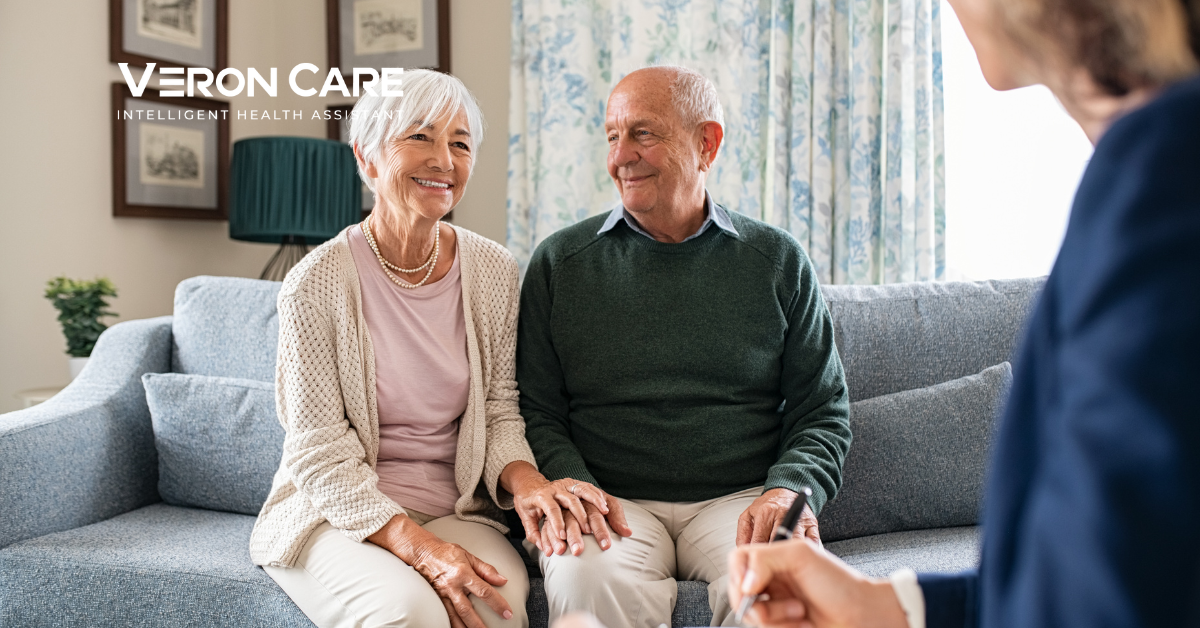
For seniors who choose to live independently, feeling safe should never mean feeling watched. As eldercare technology advances in 2025, many older adults are pushing back against cameras and wearables that disrupt their sense of comfort and dignity. This has sparked a growing demand for solutions that quietly protect health and safety while allowing seniors to truly feel at home.
This shift has led to the rise of privacy-focused eldercare, a new generation of solutions designed to protect seniors without watching them. At the center of this movement is camera-free, non-intrusive health monitoring, a model that delivers safety while respecting personal space.
Why Privacy Is Becoming Central to Modern Eldercare
The Emotional and Psychological Cost of Being Watched
For many older adults, the idea of being monitored by cameras inside their own home feels unsettling. Bedrooms, bathrooms, and living areas are deeply personal spaces. When cameras are present, seniors often report feeling anxious, self-conscious, or restricted in their behavior.
Research on surveillance psychology shows that people who know they are being observed tend to move less naturally and avoid certain activities. For seniors, this can reduce mobility, independence, and overall well-being.
Why Traditional Monitoring Tools No Longer Meet Senior Expectations
Earlier generations of eldercare technology were designed primarily for caregivers and institutions, not for seniors themselves. Wearables assume compliance and routine use, while cameras prioritize visibility over comfort.
In reality, many seniors forget to wear devices, remove them while sleeping, or reject them entirely. Cameras, on the other hand, raise immediate concerns around privacy and dignity. As a result, families are now seeking solutions that protect loved ones without requiring behavior change or constant supervision.
Privacy as a Core Requirement, Not a Feature
In 2025, privacy is no longer a “nice-to-have.” With increasing awareness of data protection and digital rights, eldercare solutions must be privacy-first by design. Systems that treat privacy as an add-on often struggle with trust, adoption, and long-term use.
The Problem with Cameras in Elderly Home Monitoring
Privacy Risks and Data Security Concerns
Video data is among the most sensitive forms of personal information. It captures identity, routines, living conditions, and daily habits. Even when encrypted, camera systems remain vulnerable to misuse or unauthorized access.
Healthcare data breaches involving video feeds have made families more cautious about installing cameras in private homes.
Behavioral Changes Caused by Camera Surveillance
Beyond technical risks, cameras change how seniors behave. Many avoid moving freely, hesitate to ask for help, or feel uncomfortable performing daily activities. This reduces not only quality of life, but also the accuracy of monitoring data.
Regulatory and Ethical Challenges of Video Monitoring
Care facilities and home-care providers face growing legal and ethical challenges when using cameras, particularly in private spaces. Consent, continuous recording, and data ownership remain unresolved issues, making camera-based systems increasingly difficult to justify.
What Does “Care Without Cameras” Really Mean?
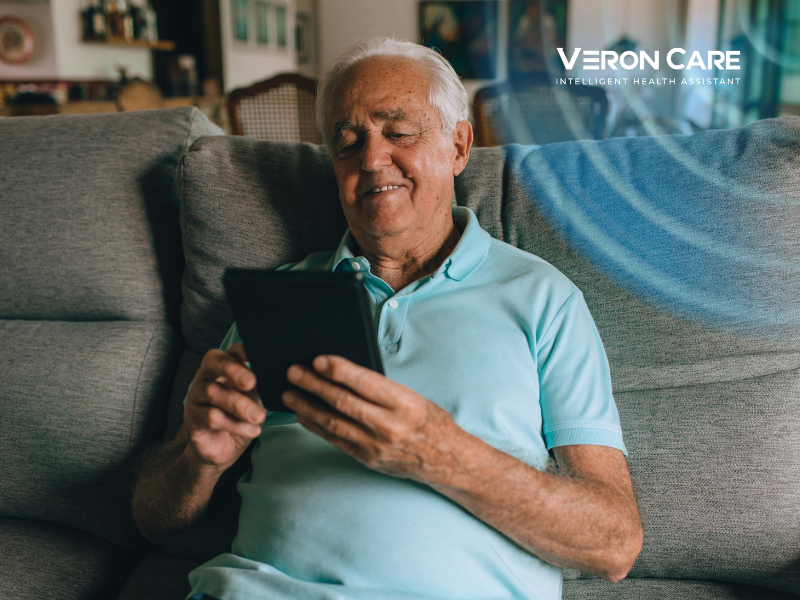
Technology helps seniors stay informed, connected, and independent in their own homes.
How Non-Visual Sensing Technologies Work
Care without cameras relies on sensing technologies that understand movement and presence without capturing images. These systems interpret physical signals rather than visual data, allowing them to monitor safety while remaining invisible.
Radar-Based Monitoring Explained Simply
Radar-based sensors emit low-power radio waves that bounce off movement in a room. AI algorithms analyze these reflections to detect posture changes, falls, inactivity, and even breathing patterns during rest.
Crucially, radar does not record images, faces, or audio. It only understands motion and spatial change.
What Data Is Collected and What Is Not
Radar-based systems focus strictly on movement and physiological signals. They do not store or transmit any visual or identifiable content, making them suitable for the most private areas of the home.
Privacy-First Monitoring: A New Standard of Safety
Designing Technology Around Dignity and Consent
Privacy-first monitoring treats seniors as active participants rather than passive subjects. The technology works quietly in the background, without requiring buttons, wearables, or user interaction.
Always-On Protection Without Active Participation
Because these systems are passive, they never rely on memory, charging habits, or manual activation. This ensures continuous protection, especially for seniors with cognitive decline or limited mobility.
Why Privacy-Focused Eldercare Improve Long-Term Adoption
Technologies that feel intrusive are often disabled or rejected over time. Privacy-first solutions, by contrast, gain trust more easily and remain in use longer leading to better safety outcomes overall.
Camera-Free Fall Detection and Early Risk Awareness
How Camera-Free Fall Detection Works
Camera-free fall detection identifies sudden posture changes and rapid movement transitions. When a fall occurs, alerts are sent instantly to caregivers or family members, without the need to review video footage.
Detecting Near-Falls and Risk Patterns
More advanced systems analyze movement trends over time, identifying instability or near-falls before a serious incident occurs.
Faster Response Without Visual Confirmation
Because alerts are triggered automatically, response time is faster. Caregivers can act immediately instead of verifying footage, which can significantly reduce complications.
Non-Intrusive Health Monitoring for Daily Living
Monitoring Movement, Breathing, and Presence Passively
Non-intrusive health monitoring tracks daily activity levels, nighttime movement, breathing patterns, and prolonged inactivity without touching the user or disrupting routines.
Sleep, Inactivity, and Behavior Change Detection
Changes in sleep quality or daily movement often signal early health issues. AI systems analyze these trends over weeks and months to detect subtle but meaningful deviations.
Why Non-Intrusive Monitoring Is More Reliable Than Wearables
Wearables fail when they are not worn. Passive systems never forget, making them more reliable for continuous, long-term monitoring.
Safe Home Monitoring for Elderly Living Alone
Protecting Seniors Without Invading Private Spaces
Camera-free monitoring is especially valuable in bedrooms and bathrooms, where privacy matters most. Seniors receive protection without feeling exposed.
Supporting Families and Caregivers with Trusted Alerts
Families receive clear, meaningful alerts based on behavior patterns not constant visual feeds allowing them to respond with confidence and respect.
Where Camera-Free Monitoring Fits Best in the Home
These systems are most effective when placed in high-risk and high-privacy areas such as sleeping spaces, bathrooms, and main living areas.
How Veron Care Delivers Privacy-Focused Eldercare
No Cameras. No Wearables. Just Smart, Contactless Monitoring
Veron Care uses radar and AI to deliver complete room monitoring:
- No cameras watching
- No wearable discomfort
- No daily maintenance
- No privacy compromise
Built for Homes, Hospitals, and Care Facilities
The same privacy-first approach works across:
- Private homes
- Assisted living
- Nursing facilities
- Hospitals
Turning Privacy Into a Competitive Advantage
By removing cameras and wearables, Veron Care earns trust faster from seniors, families, and care providers alike.
Conclusion: The Future of Eldercare Is Private, Predictive, and Respectful
As eldercare evolves, the most successful solutions will protect both safety and dignity. Privacy-focused eldercare, camera-free monitoring represents a future where seniors can live independently, confidently, and securely without feeling watched. Learn how Veron Care helps families and care providers deliver safer, more dignified care through intelligent, camera-free monitoring.