


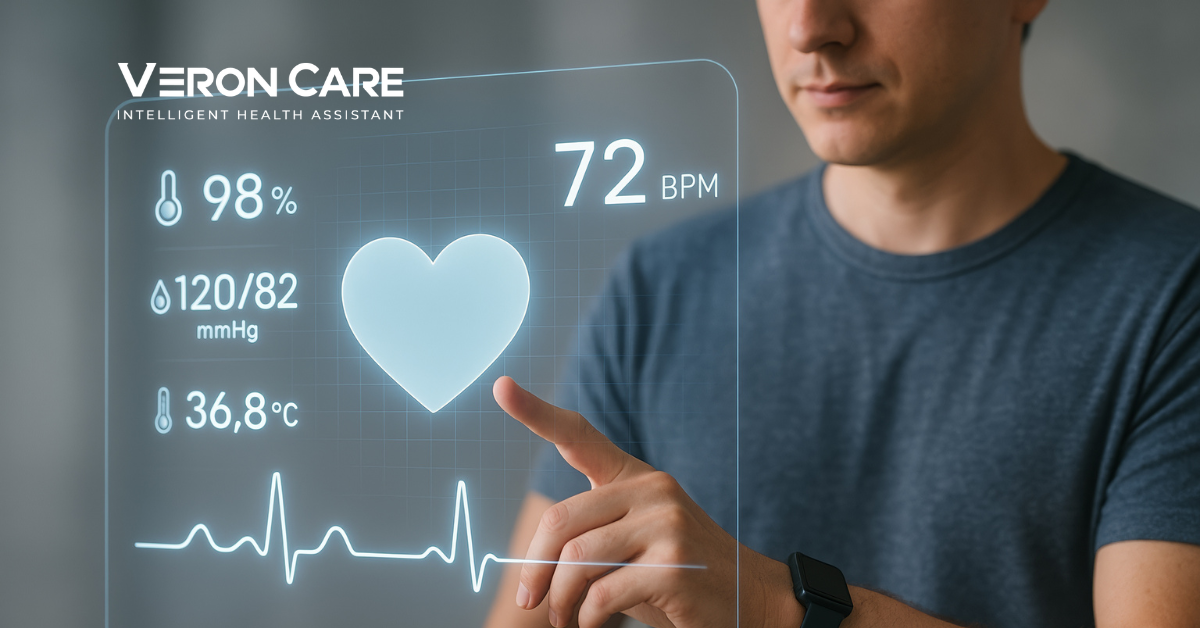
Heart rate monitoring plays a critical role in senior health, helping detect early signs of cardiovascular stress, breathing irregularities, and sleep-related issues. As the body ages, subtle changes in heart rate and respiratory patterns can signal serious health risks if left unnoticed. With AI-powered monitoring tools, seniors and caregivers can track vital signs continuously and respond before problems escalate.
By tracking vital signs continuously, families and caregivers can detect potential risks earlier, respond faster, and support safer aging at home. This article explores how heart rate and breathing monitoring works, why it matters for seniors, and how modern AI tools are reshaping preventive care.
Why Heart Rate and Breathing Monitoring Matters for Seniors
Heart rate and breathing monitoring provides insight into cardiovascular health, respiratory function, sleep quality, and daily activity tolerance. For seniors, even small deviations from normal patterns may indicate underlying conditions such as arrhythmias, respiratory infections, or sleep-related breathing disorders.
Normal Heart Rate for Seniors
A normal heart rate for seniors typically ranges between 60 and 100 beats per minute at rest. However, age, medications, fitness level, and chronic conditions can influence what is considered normal. Continuous heart rate and breathing monitoring helps establish a personal baseline, making it easier to identify unusual changes rather than relying on one-time measurements.
What Causes Irregular Heartbeat in Older Adults
An irregular heartbeat can be caused by factors such as heart disease, high blood pressure, dehydration, stress, or side effects of medication. Without consistent heart rate and breathing monitoring, these irregularities may go unnoticed—especially if they occur intermittently or during sleep.
Key Signs Detected Through Heart Rate and Breathing Monitoring
Signs of Respiratory Distress
Breathing rate changes are often early indicators of health deterioration. Signs of respiratory distress include rapid breathing, shallow breaths, prolonged pauses, or labored breathing during rest. Continuous breathing monitoring can detect these patterns early, allowing caregivers to intervene before a situation escalates.
How Sleep Affects Heart Health
Sleep plays a vital role in cardiovascular recovery. Poor sleep quality or disrupted breathing during sleep can increase heart strain, elevate blood pressure, and worsen existing heart conditions. Heart rate and breathing monitoring during sleep helps identify abnormal nighttime patterns that may otherwise go unnoticed.
How to Monitor Heart Rate at Home Effectively
Traditional vs Smart Monitoring Methods
Manual pulse checks and blood pressure cuffs provide limited snapshots. In contrast, modern heart rate and breathing monitoring systems track vital signs continuously, offering trend-based insights rather than isolated readings. This allows for a more accurate understanding of health changes over time.
AI Tools for Heart Rate Tracking
AI tools for heart rate tracking analyze patterns rather than single values. By learning daily routines, AI systems can detect deviations such as prolonged inactivity, abnormal heart rhythms, or breathing irregularities. These tools reduce false alarms and improve the accuracy of health alerts.
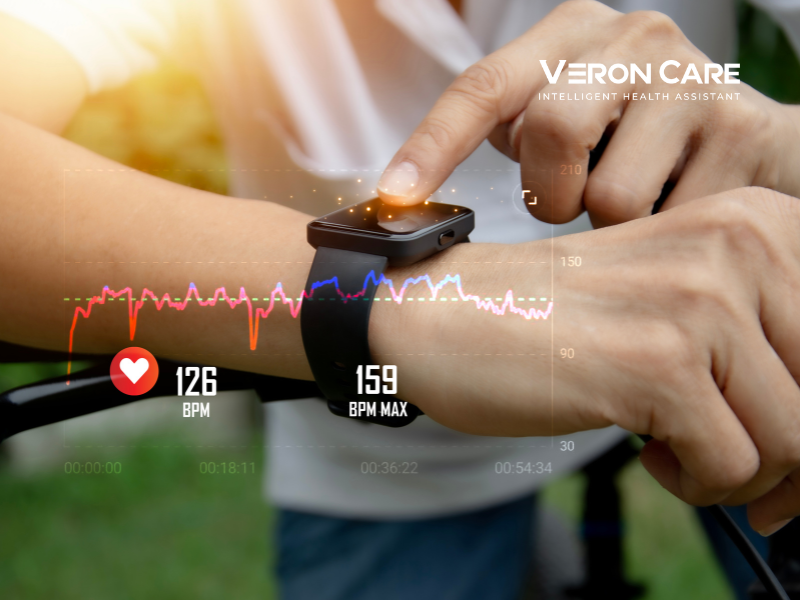
Continuous heart rate and breathing monitoring supports safer and more proactive senior care at home.
The Role of Breathing Exercises for Older Adults
Breathing exercises for older adults can support lung capacity, reduce stress, and improve oxygen delivery. When paired with heart rate and breathing monitoring, these exercises become even more effective. Monitoring allows caregivers and seniors to observe how breathing techniques impact heart rate, recovery time, and overall comfort.
Examples include:
- Slow diaphragmatic breathing
- Controlled inhale-exhale routines
- Gentle breathing during seated stretching
Tracking results reinforces healthy habits and highlights progress over time.
Cardiovascular Changes with Aging
As people age, blood vessels naturally become less elastic and the heart may pump less efficiently. These changes can place additional strain on the cardiovascular system, even during normal daily activities. Continuous heart rate and breathing monitoring helps identify early signs of cardiovascular stress, allowing caregivers and healthcare providers to intervene before symptoms become severe.
Sleep Quality and Its Impact on Vital Signs
Sleep has a direct influence on both heart rate and breathing patterns. Disrupted sleep, frequent awakenings, or irregular breathing during the night can lead to elevated heart rate, reduced oxygen levels, and increased fatigue during the day. Ongoing monitoring makes it easier to recognize these patterns and understand how sleep quality affects overall heart health.
Home Health Monitoring for Older Adults
Modern home health monitoring combines heart rate and breathing monitoring with activity tracking, presence detection, and safety alerts. This integrated approach provides a more complete picture of a senior’s daily health, enabling proactive care while supporting independence and aging in place.
From Data to Action: Why Continuous Monitoring Works
Heart rate and breathing monitoring becomes most valuable when data leads to action. Instead of reacting after a fall or medical emergency, caregivers can identify warning signs earlier and adjust care plans proactively.
Benefits include:
- Reduced emergency interventions
- Improved chronic condition management
- Better communication with healthcare providers
- Increased confidence for families supporting loved ones remotely
How Technology Supports Preventive Care
Modern monitoring platforms transform raw data into meaningful insights. By combining heart rate and breathing monitoring with AI analysis, these systems provide timely alerts while minimizing unnecessary notifications.
Conclusion: Smarter Monitoring for Healthier Aging
Heart rate and breathing monitoring is no longer a luxury—it is an essential part of modern senior care. Understanding normal heart rate for seniors, recognizing signs of respiratory distress, and leveraging AI tools for heart rate tracking empowers families and caregivers to act earlier and care smarter.
At Veron Care, we integrate continuous heart rate and breathing monitoring with AI-driven insights to support safer aging at home. Our technology helps detect changes in real time, enabling timely response while preserving comfort and independence. By combining smart monitoring with healthy routines and preventive care, seniors can live with greater confidence and peace of mind.