


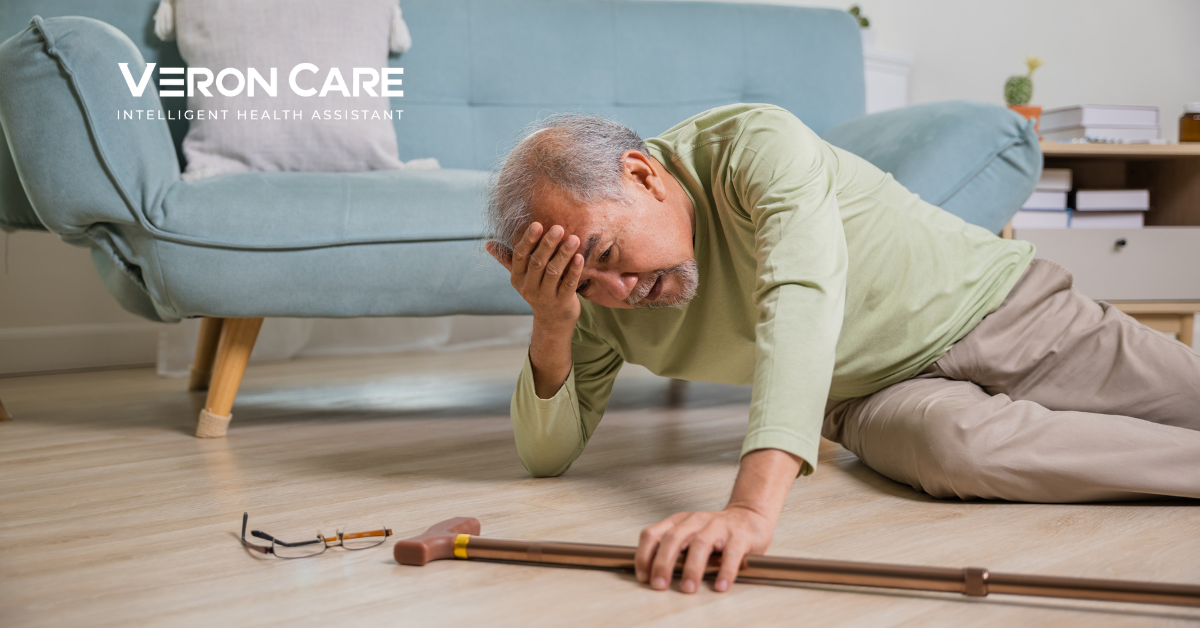
Falls and strokes remain two of the most dangerous health emergencies for older adults. As global populations age, families and caregivers face increasing pressure to protect seniors without compromising their independence or privacy. Modern fall and stroke detection systems powered by contactless sensors and AI are redefining how home safety, early detection, and real-time emergency response work.
Today, technology is no longer just reactive. It can predict risk, monitor subtle changes in health, and deliver instant alerts that save lives. This shift is reshaping elderly care in homes, hospitals, and assisted-living facilities.
Understanding Modern Fall & Stroke Detection Systems
What Makes Fall and Stroke Detection Critical for Elderly Care
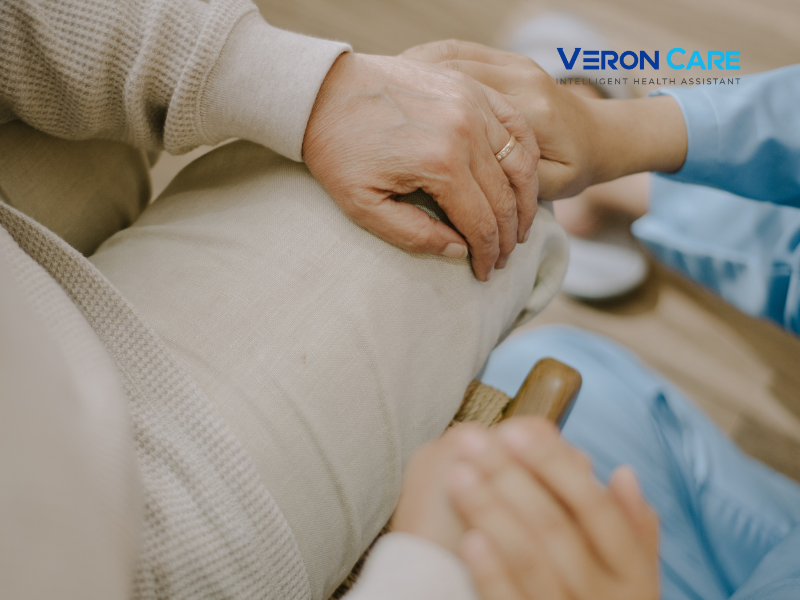
A moment of trust and care between senior and caregiver, reflecting Veron Care’s commitment to dignified support.
Falls are the leading cause of injury-related hospitalization among seniors, and stroke remains one of the fastest-escalating medical emergencies among adults aged 65 and older. Both conditions share three critical challenges:
- They occur suddenly
- They require rapid response
- They are preventable when detected early
Traditional alert systems depend on buttons, cameras, or wearables—tools seniors often forget, refuse to wear, or find invasive. This is where contactless AI-driven monitoring becomes transformative.
How Contactless Fall Detection Sensors Work
Contactless sensors, especially radar-based technology, use ultra-wideband signals to measure motion, posture, breathing, and sudden changes in momentum. Unlike cameras, they do not record images or require light. Unlike wearables, they work automatically without user interaction.
Through AI, these sensors can:
- Detect a fall within seconds
- Differentiate between daily movements and dangerous incidents
- Issue real-time alerts to caregivers or family members
- Provide continuous monitoring 24/7
This makes fall detection safer, more private, and far more reliable.
AI for Fall Risk Detection: Smarter Prevention Begins at Home
Identifying Early Signs of Instability and Mobility Decline
AI systems analyze subtle indicators that humans often overlook, such as:
- Slower walking speed
- Irregular gait patterns
- Difficulty standing up
- Increased time spent sitting or lying down
These patterns help predict when a senior may be at risk long before a fall occurs.
How AI Predicts Fall Risk Through Continuous Monitoring
Using long-term data, AI creates personalized stability profiles that highlight changes over time. When combined with contactless monitoring, this enables systems to:
- Flag abnormal movement patterns
- Forecast fall probability
- Notify caregivers about rising risks
- Suggest when medical evaluation may be needed
This moves care from reactive to proactive.
Stroke Warning Signs in the Elderly: Why Early Detection Matters
Recognizing Subtle Physiological Changes Before a Stroke
A stroke often shows early warning signs hours—or even days—before it happens. These include:
- Irregular breathing
- Sudden imbalance
- Weakness, confusion, or slowed reaction time
- Abnormal heart rate patterns
Traditional systems rarely detect these early red flags, especially during sleep or when a senior is alone.
How AI-Powered Systems Predict Stroke Risk in Real Time
Contactless AI sensors can track:
- Micro-movements
- Respiratory rhythms
- Heart rate variability
- Changes in daily activity
AI flags patterns that align with pre-stroke indicators and sends alerts so families or medical teams can intervene early, reducing the severity of stroke outcomes.
Elderly Fall Detection at Home: A New Standard of Independent Living
Real-Time Fall Alerts Without Cameras or Wearables
Seniors deserve safety without feeling monitored. Contactless systems maintain dignity by offering:
- No cameras
- No microphones
- No devices worn on the body
- No buttons to press
This ensures constant protection without intrusion.
The Role of Radar and Non-Invasive Sensors in Safer Homes
Radar sensors operate silently in the background, tracking vital motion data with medical-grade precision. They work in:
- Bedrooms
- Living rooms
- Bathrooms
- Assisted-living spaces
Their accuracy, even in low-light or obstructed environments, makes them ideal for elderly care.
Real-Time Fall and Stroke Alerts: Faster Response Saves Lives
Instant Notifications for Families and Caregivers
When a fall or stroke risk is detected, the system instantly sends alerts to:
- Family members
- On-site caregivers
- Nursing staff
- Medical teams
These alerts include time, room location, and severity. Rapid response dramatically reduces complications.
Integrating Alerts With Mobile Apps and Care Dashboards
Mobile integration allows caregivers to:
- Access real-time activity data
- Review risk trends
- Monitor nighttime breathing and movement
- Manage alerts from multiple rooms or residents
It becomes a centralized safety command center accessible from anywhere.
The Future of Proactive Elderly Safety Monitoring
Predictive Analytics for Health Emergencies
AI is moving toward predicting emergencies before they occur. This includes early detection of:
- Strokes
- Cardiac issues
- Respiratory decline
- Nighttime wandering
- High-risk fall behavior
Predictive alerts will soon be a standard part of elder-care safety.
Smart Home Integration and Next-Generation Elder Care
Future systems will integrate with:
- Smart lighting
- Emergency response protocols
- Home health platforms
- Hospital systems
- Wearable and non-wearable hybrid data sources
The goal is a unified safety ecosystem built around privacy, independence, and real-time intelligence.
Conclusion: Smarter Alerts, Safer Lives
The combination of contactless sensors, radar technology, and AI is reshaping how we protect older adults from falls and strokes. By offering continuous monitoring, early risk detection, and instant alerts—without cameras or wearables—these systems deliver safety with dignity. Give your family peace of mind with real-time fall and stroke alerts — discover Veron Care.