


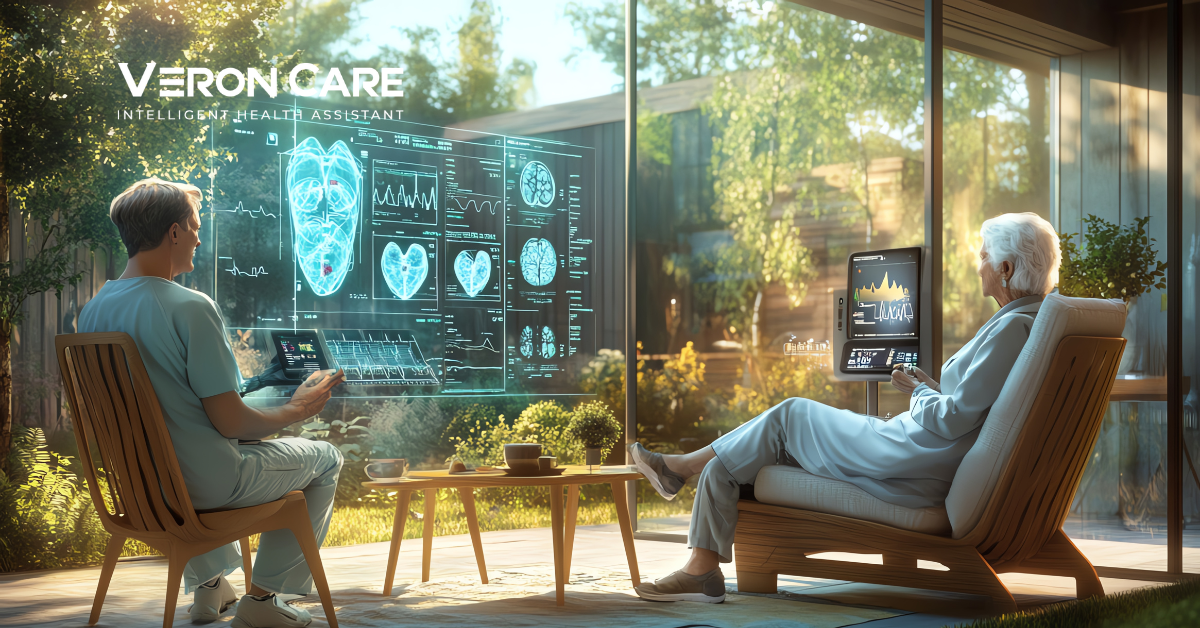
The rapid aging of the global population is placing unprecedented pressure on healthcare systems worldwide. Traditional elderly care models, which rely heavily on periodic checkups and reactive interventions, are no longer sufficient to meet the growing demand for safe, continuous, and personalized care. In this context, AI in elderly care is emerging as a transformative force, redefining how health is monitored, managed, and protected—especially within the home.
From predictive health monitoring to smart sensors in healthcare, artificial intelligence is enabling a shift toward proactive, data-driven, and human-centered care. This article explores how AI is reshaping home healthcare for older adults and why its role will only become more critical in the years ahead.
Why AI in Elderly Care Is Becoming Essential
Healthcare systems are facing a dual challenge: a rapidly growing elderly population and a shortage of medical professionals. Many older adults wish to age in place, maintaining independence while staying safe at home. However, traditional care methods struggle to provide continuous oversight without intruding on daily life.
AI in elderly care addresses this gap by enabling continuous monitoring, early risk detection, and personalized support without constant human supervision. Instead of relying solely on scheduled visits or emergency calls, AI-powered systems observe daily patterns and identify subtle changes that may indicate emerging health risks.
Key drivers behind the adoption of AI in elderly care include:
- Rising rates of chronic conditions among older adults
- Increased demand for home-based healthcare solutions
- The need to reduce caregiver burden while improving care quality
By combining automation, machine learning, and advanced analytics, AI supports safer aging while preserving dignity and autonomy.
How AI Improves Elderly Healthcare
At its core, how AI improves elderly healthcare lies in its ability to turn continuous data into meaningful insights. AI systems learn individual routines, adapt to behavioral changes, and deliver personalized health monitoring that evolves over time.
Unlike conventional healthcare tools, AI-driven platforms are not limited to one-time measurements. They analyze long-term trends, detect anomalies, and support timely interventions before conditions worsen.
From Manual Checkups to Continuous Care
Manual checkups offer only a snapshot of an elderly person’s health. In contrast, AI in elderly care enables continuous care by monitoring health indicators throughout the day and night. This shift allows caregivers and families to move from reactive responses to preventive care strategies, improving outcomes while reducing unnecessary hospital visits.
AI for Predictive Health Monitoring
One of the most impactful applications of AI in elderly care is AI for predictive health monitoring. Predictive systems analyze historical and real-time data to identify early warning signs of health deterioration.
Rather than waiting for a fall, stroke, or medical emergency to occur, AI detects risk patterns and provides early alerts. This proactive approach is especially valuable for elderly individuals living alone, where timely intervention can be life-saving.
Predictive Alerts vs. Traditional Emergency Response
Traditional emergency response systems activate only after an incident occurs. AI for predictive health monitoring shifts this paradigm by identifying potential risks before emergencies happen. Predictive alerts allow caregivers to intervene earlier, reducing severity, recovery time, and healthcare costs.
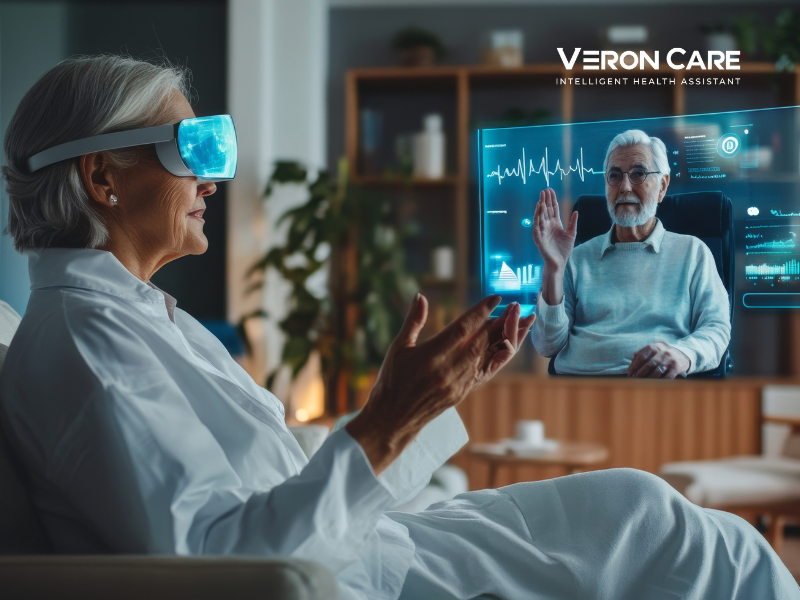
AI in elderly care is shaping the future of home healthcare through intelligent, connected care environments.
Smart Sensors in Healthcare: The Foundation of AI-Powered Care
Smart sensors in healthcare form the foundation of AI-powered elderly care solutions. These sensors collect non-intrusive data related to movement, presence, sleep patterns, and environmental conditions.
Modern smart sensors are designed to be touchless and unobtrusive, ensuring comfort and privacy for elderly users. By operating passively in the background, they eliminate the need for wearables or manual input, increasing long-term adherence.
How Smart Sensors Collect Meaningful Health Data
Through advanced sensing technologies, smart sensors in healthcare capture behavioral and physiological indicators that reflect overall wellbeing. When combined with AI algorithms, this data provides a holistic view of an individual’s daily health patterns and potential risks.
Data-Driven Wellness Insights for Better Daily Living
Raw data alone does not improve health outcomes. The true value of data-driven wellness insights lies in translating complex information into clear, actionable understanding.
AI platforms synthesize data from multiple sources and present insights in simple formats that families and caregivers can easily interpret. These insights help identify changes in sleep quality, mobility, or daily routines that may signal emerging concerns.
Empowering Families and Caregivers with Clear Insights
By delivering data-driven wellness insights, AI empowers caregivers to make informed decisions without requiring medical expertise. Clear summaries, trend analysis, and prioritized alerts reduce stress while enhancing confidence in caregiving decisions.
Remote Patient Monitoring with AI
Remote patient monitoring with AI enables healthcare providers and families to oversee elderly health without constant physical presence. This approach supports independent living while maintaining continuous visibility into health status.
AI-driven remote monitoring systems operate around the clock, ensuring that changes in health are identified promptly, regardless of location.
AI as a Silent Partner in Daily Care
In remote patient monitoring with AI, technology acts as a silent partner—always observing, never intrusive. This balance between vigilance and discretion is critical for elderly individuals who value independence and privacy.
The Future of AI in Home Healthcare
The future of AI in home healthcare is defined by deeper integration, greater personalization, and stronger collaboration between humans and technology. As AI models become more advanced, they will deliver increasingly precise insights while adapting to individual lifestyles and environments.
Future developments will likely include:
- Smarter predictive analytics
- Seamless integration across home healthcare ecosystems
- Enhanced ethical and privacy safeguards
From Smart Homes to Intelligent Care Ecosystems
The future of AI in home healthcare extends beyond individual devices. Intelligent care ecosystems will connect smart sensors, AI platforms, caregivers, and healthcare providers into a unified system focused on holistic elderly wellbeing.
Conclusion: Rethinking Elderly Care in the Age of AI
AI in elderly care is transforming home healthcare by enabling predictive monitoring, smart sensors, and data-driven wellness insights that support safer, more independent aging. Instead of reacting to emergencies, intelligent systems help identify risks early and provide continuous care in everyday environments.
Veron Care reflects this shift toward human-centered, AI-powered home healthcare—where technology works quietly in the background to support older adults, caregivers, and families with clarity, confidence, and peace of mind.